Thai Hom Mali
Mira Maris
From paddy to the table: a look at how Mira Maris rice is grown, harvested, and milled.
Filmed on location with the farmers and mills we work with.
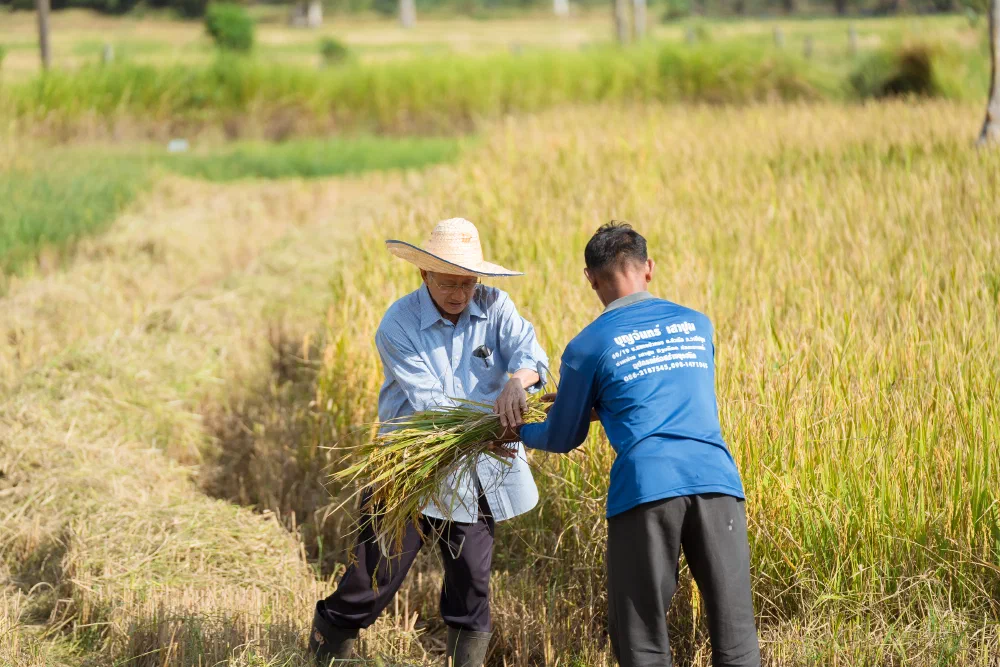
Hom Mali comes from Thung Kula Ronghai, a plain on the edge of the Khorat Plateau that the Thai name calls "the place where the Kula cried." The story holds that itinerant Kula traders, crossing the plain centuries ago, wept at how dry and unforgiving the land was. Whether history or folklore, the name fits: this was hard ground to live on, sandy and low in fertility, with a long dry season after the rains. The same conditions that once made the plain miserable now make its rice. Poor soil and mild water stress hold the plant back from leafy growth and push it toward the grain, where the aroma concentrates. What broke the Kula's hearts grows the rice that Thailand is known for.
The plain spreads across about two million rai, roughly 3,200 square kilometres, through Roi Et, Surin, Sisaket, Maha Sarakham, and Yasothon. Rice grown here carries a Geographical Indication: only grain meeting the standard, from this defined area, may be sold under the name. Thai chefs talk about Thung Kula Ronghai the way wine people talk about a great terroir, a specific meeting of soil, climate, and practice that cannot be copied somewhere else.
Where the aroma comes from
The scent of Hom Mali is not added or processed in. It forms inside the grain as the plant matures, and it comes from a single compound: 2-acetyl-1-pyrroline, the same molecule that gives pandan leaves and fresh bread their smell. Two things govern how much of it a grain carries. The first is genetics. Thailand's protected cultivars, KDML105 and RD15, carry the natural capacity to produce it. The second is the growing environment. Rain-fed fields, limited water, and low-fertility soil push the plant to express that capacity during the weeks when the grain fills. Neither the variety nor the place produces the aroma alone. It needs both, which is why the same seed grown on richer, irrigated land yields a fainter rice.
This is also the line that separates Hom Mali from "jasmine rice" as a generic label. Jasmine rice is a description anyone can print on a bag. Hom Mali names a specific set of Thai cultivars grown under defined varietal and geographic standards. The difference is not marketing. It is whether the grain in the bag can be traced to the genetics and the ground that produce the fragrance.
The climate that sets the pace
The Isaan plateau runs hot. Through much of the growing season days sit at 30 to 35°C, and before the southwest monsoon arrives the peaks pass 38 to 40°C. At night, during the weeks when the grain matures, temperatures fall to around 22 to 25°C. That daily swing, the heat of the day and the cooler night, shapes how the plant lays down carbohydrate and develops its aroma. None of it is controlled. The field takes the weather the year provides, and the crop carries the mark of that particular season.
One harvest a year
Hom Mali follows a single annual cycle, and the calendar is fixed by the rain rather than by the grower.
- Field preparation: April to May
- Planting: May to July, once the rains begin
- Vegetative growth: July to September
- Grain filling: September to October
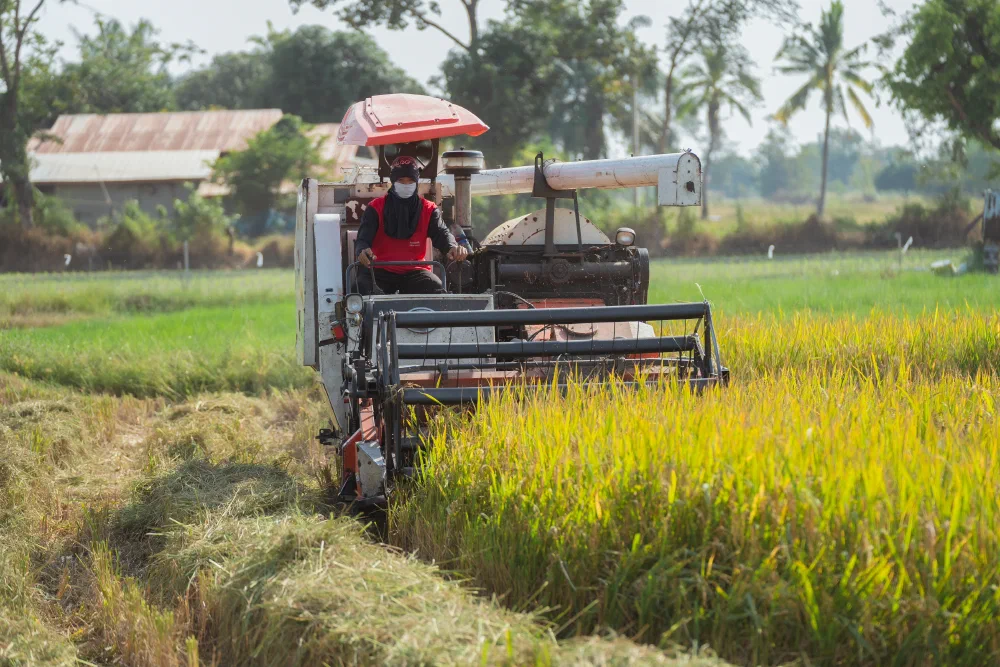
- Harvest: October to November
- Drying, milling, grading: November
- New-crop export: from December
One cycle means every shipment is a single season's grain, fully matured in the field before cutting, graded as one identifiable crop. There is no blending across harvests to even out a bad year. The fresh crop reaches export from December, and what arrives is that year's rice, traceable to that year's conditions.
This is the trade-off Thailand has chosen and Vietnam and Cambodia have not. Vietnam runs efficient irrigated paddies with two or three harvests a year and strong volume. Cambodia grows excellent fragrant varieties on good land but with less milling and export capacity behind it. Thailand built its position on the slower path: protected cultivars, recognised growing regions, one rain-fed harvest, and decades of milling and export infrastructure underneath. For a buyer, that path is what makes the harvest cycle predictable, the specifications consistent, and the supply something you can plan a year around.
One rice across many tables
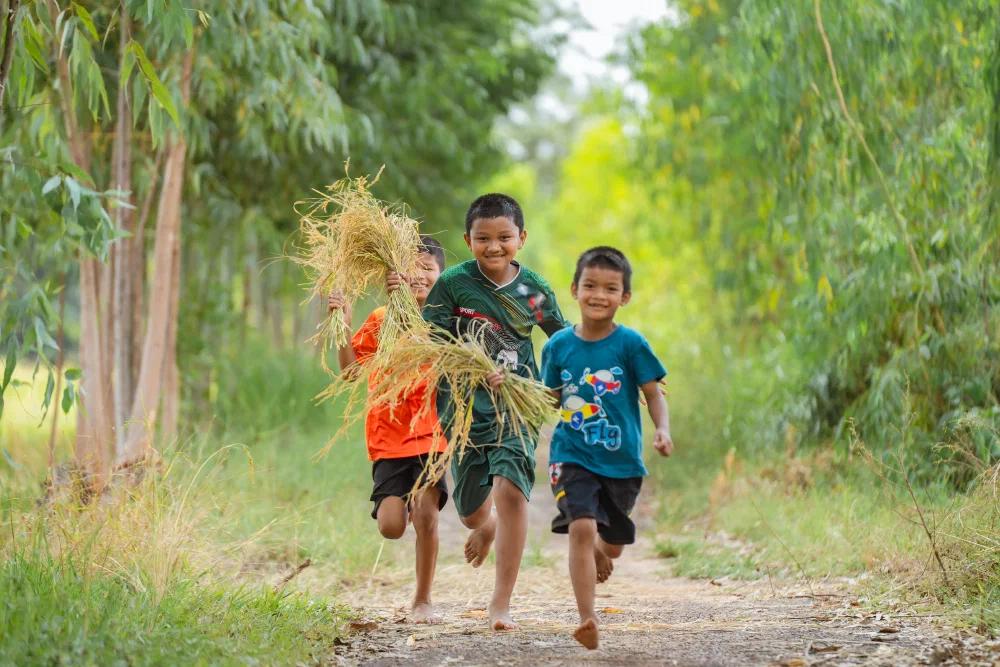
Thai cooking is not one cuisine. The north leans on forest herbs, bitter greens, and river fish. Isaan in the northeast is built on chilli, lime, fermented fish, and toasted rice, bold flavours for a hot dry climate. The central plains around the Chao Phraya balance sweet, sour, salt, and heat into something more composed. The south, on two coasts, carries coconut, turmeric, pepper, and the spice trade that passed through it.
Hom Mali sits under all of them. It is not built to lead a dish; it is built to hold one up. Its light fragrance, faint sweetness, and soft grain accompany delicate seafood and heavy curry with the same steadiness, which is why it became the everyday premium staple not only across Thailand but in Hong Kong, Singapore, Malaysia, and Asian kitchens further afield.
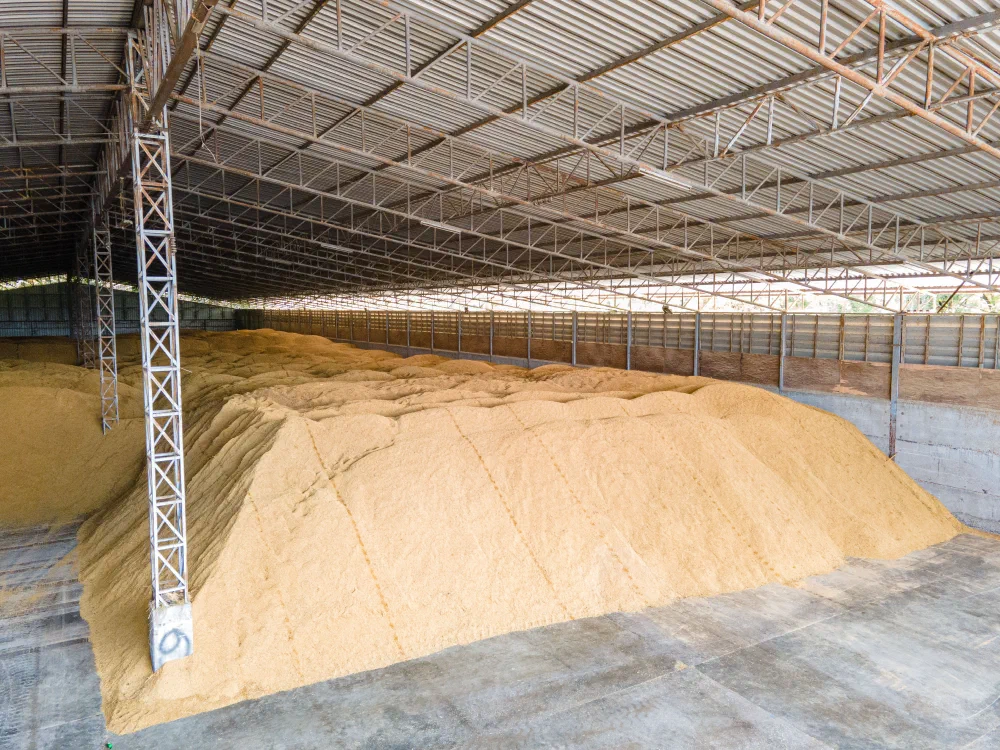
Three generations at the mill
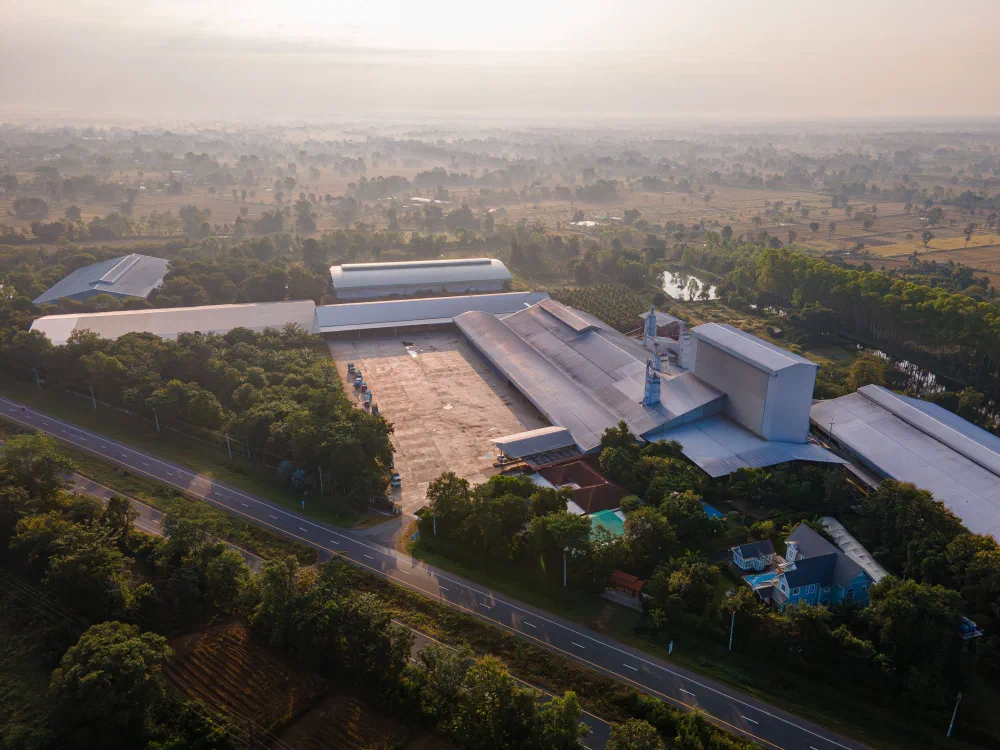
Quality is set before the rice is ever exported, at the point where grain is selected and milled. Arc of Asia sources upstream through Dej Udom Sirichok Limited Partnership in Ubon Ratchathani. The mill descends from Teochew families who settled in eastern Thailand in the late Qing period and brought grain trading and milling with them. Three generations on, it still works directly with the farming communities around it.
That continuity does practical work. It holds varietal selection steady, keeps seed quality consistent, and maintains procurement from growers the mill has dealt with for years. Crops supplied through it regularly exceed 95% Hom Mali varietal purity, above the minimum certification asks, because the seed management and sourcing behind them are disciplined rather than opportunistic.
Relationships before transactions
Premium rice does not survive on favourable weather alone. It depends on the supply chain holding together across every stage, and Arc of Asia stays engaged through all of them: the farm, primary milling through Dej Udom Sirichok, final processing and export preparation through Boonsong Siam Land Co., Ltd, the export documentation, and contact with the customer before and after a shipment moves. Those relationships are kept up through the year by site visits, calls, and meetings in person rather than reconstructed at the point of sale.
The procurement approach behind this is straightforward and not opportunistic. Fair and transparent terms, respect for agreed prices, steady support for the farming communities the supply depends on. Long-term supply is built that way or not at all.
Documentation and compliance
Every shipment carries documentation matched to the destination market and the customer.
Each product is held to a written specification covering variety and milling grade, moisture, broken percentage, Hom Mali varietal purity, grain dimensions, packaging, net weight, shelf life, nutrition, and storage. Specifications are reviewed and updated to reflect current production.
Behind the specification sits a compliance dossier: EU food law, supply-chain traceability, food-contact packaging, harvest-level laboratory testing, batch identification, recall and withdrawal procedures, and document retention.
Each export shipment travels with the commercial and regulatory paperwork international trade requires, which may include the commercial invoice, packing list, bill of lading, certificate of origin, phytosanitary certificate, certificate of analysis, laboratory reports, batch traceability, and a food-contact material declaration, along with anything specific a customer needs.
The aim is plain: every pallet should arrive backed by the same standard as the rice on it, traceable from the field to the dock.